From design to delivery: outcomes from the SMARTER project
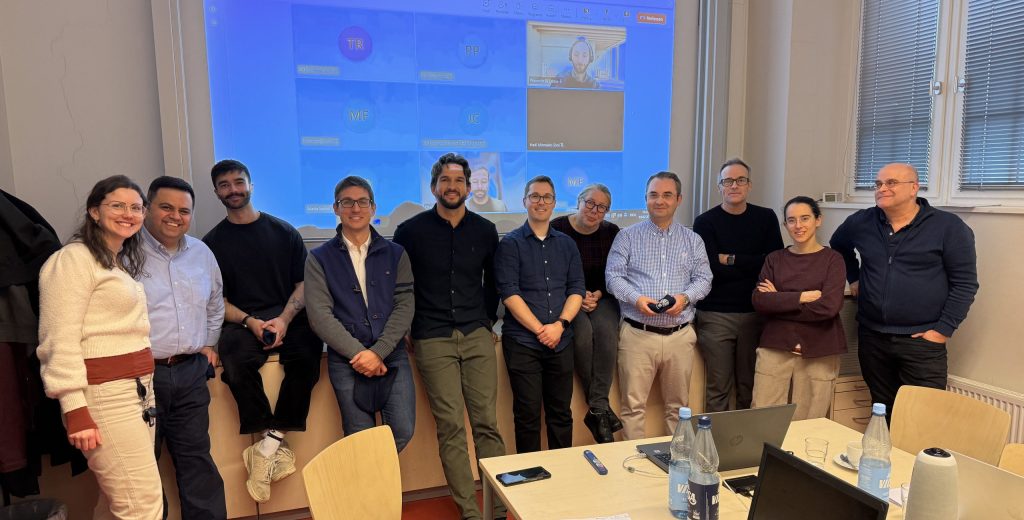
SMARTER is a European Commission and Innovate UK funded project that aims to develop a smart manufacturing platform for personalised cell therapies.
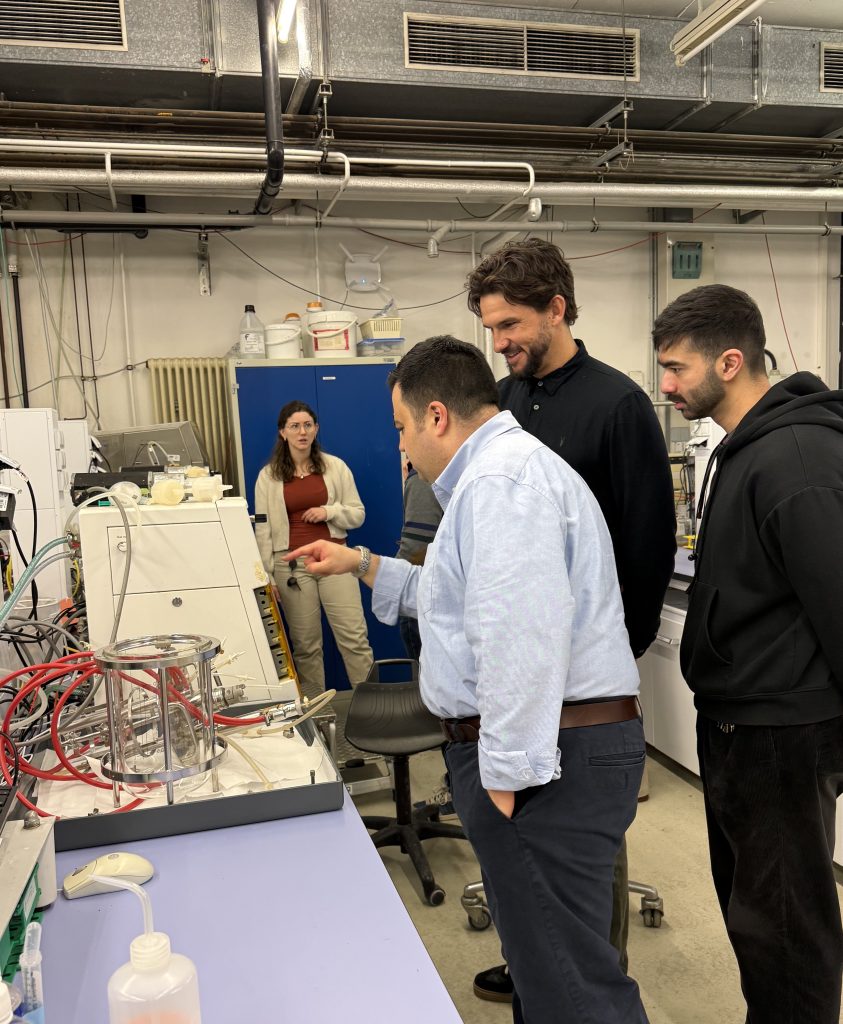
Previously, the consortium had successfully transferred a Tumour-infiltrating lymphocyte (TIL) manufacturing process into a dynamic stir-tank bioreactor system enabling integration of Process analytical technology (PAT) biosensors such as Raman Spectroscopy and 2D fluorescence. Using a TIL-like healthy donor model in this system, we applied complex design of experiment (DoE) approaches to screen and validate critical process paraments (CPPs) identified through metabolomics studies performed at the Hospital Universitario La Fe (HULAFE) in Spain, process development studies at the CGT Catapult, and literature research. These DoE studies enabled us to develop an improved process with better cell expansion and cell reactivity.
Furthermore, the consortium had successfully achieved the integration of both Raman spectroscopy and 2D fluorescence sensor systems, which are used for real-time process monitoring and implementation of an adaptive control strategy. Lastly, it had set up a digital infrastructure at the CGT Catapult’s labs, enabling continued digitalisation of the cell and gene therapy sector. Part of the digital infrastructure set up included the integration of a 2D fluorescence sensor system developed at the University of Hannover (LUH) into the bioprocess platform. Multiplexing of flow cells for online fluorescence measurements is enabling the development of an online cell count model to be available for up to four vessels simultaneously. This will be used for automated process control.
The CGT Catapult team has been busy over the last few months designing and implementing experiments that aim to demonstrate a proof-of-concept of adaptive process control. With the support of the Partner in Hannover (LUH), we created in silico simulations of model-based bioprocess optimisation that enabled us to significantly shorten the process time by four days while maintaining the required product’s critical quality attributes.
Last December, the CGT Catapult completed the final run of the SMARTER project. This milestone was particularly significant as patient material was used for the first time. PAT-mediated advanced process control strategies, previously developed using healthy donor material, were successfully demonstrated with real-world patient samples, allowing the team to draw valuable conclusions on the translation of PAT technologies and smart bioprocessing to complex cell therapy development.
Follow the SMARTER project on LinkedIn and visit its website for regular updates:
SMARTER LinkedIn: https://www.linkedin.com/company/smarterproject/
SMARTER Website: https://smarter-project.eu/news/